When Lower Conygre Pit opened in 1847 an underground connection was made between it and Upper Conygre Pit. Lower Conygre Pit became the more successful of the two pits.
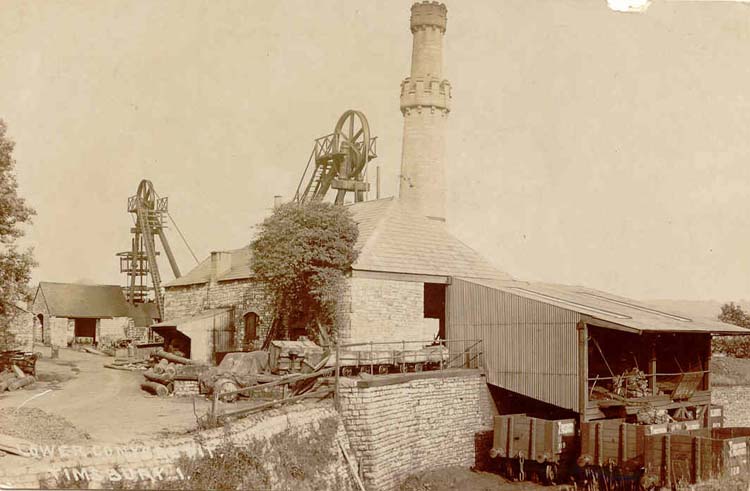
During the night shift on Wednesday 6th February 1895 there was an explosion which killed seven men and four horses. Nine men were below ground at the time, the seven killed were James Carter (aged 41), John Gage (36), George Harding (50), Joseph Bridges (57), John Keeling (55), George Sperring (73) and James Durham (32). All the men were engaged in general repairs and maintenance. The two miners who escaped, George Flower and John Fear, happened to be working in a different part of the pit and was ventilated from a different source and so were cut off from the force of the explosion.
The funeral of five of the deceased took place at a joint service at St Mary’s Church, Timsbury. The complete workforce of Upper and Lower Conygre Pits met at the Temperance Hall at 3.30pm and marched in solemn procession to the churchyard.
There were two theories to explain the explosion. The first was that coal dust was ignited by the firing of a shot, the second was gas had escaped from a cavity within 30 yards of the firing point. However, the Inquest on 4 March 1895, in the Temperance Hall, concluded that the explosion was due to “the firing of a shot by James Carter, in the through road. The nature of that explosion we are unable to explain. We wish to conclude that the management to be free from blame.“
It is worth remembering that there was no compensation for the families of those killed in pit accidents. Many miners were members of Friendly Societies, who might pay the costs of the funeral, but aside from this the bereaved dependants would have to rely on parish handouts and help from family and friends.
Read William Ashman’s poem written in memory of the seven men who lost their lives at Lower and Upper Conygre pits.
Sources:
Five Arches, Issue No 23, Summer 1995
The History of the Somerset Coalfield by C G Down and A J Warrington